Serving premium homeowners and developers across Nassau County, Suffolk County, the North Shore, and the South Shore, including the Hamptons, with architecturally integrated solar roof tiles.
Long Island is one of the most architecturally ambitious and economically significant residential markets in the United States. Nassau County's established Gold Coast estates carry decades of serious architectural investment, properties where the roofline is not a utility but a defining element of the home's identity. The North Shore communities, Old Westbury, Locust Valley, Oyster Bay, Lloyd Neck, hold a historic pedigree that their owners have chosen to maintain and, in many cases, extend with contemporary architectural additions that demand material precision. The South Shore offers a different character: waterfront homes and barrier island properties where the envelope must perform against the elements while meeting the same standard of appearance. Suffolk County extends this range considerably, from mid Island communities through to the design driven enclaves of the East End. And anchoring the eastern tip, the Hamptons, arguably the most design conscious residential market in the entire Northeast. Across all of these communities, the homeowners who are right for Vitruvion's approach share a common characteristic: they have invested seriously in their properties and would never accept a visual compromise on the roofline.
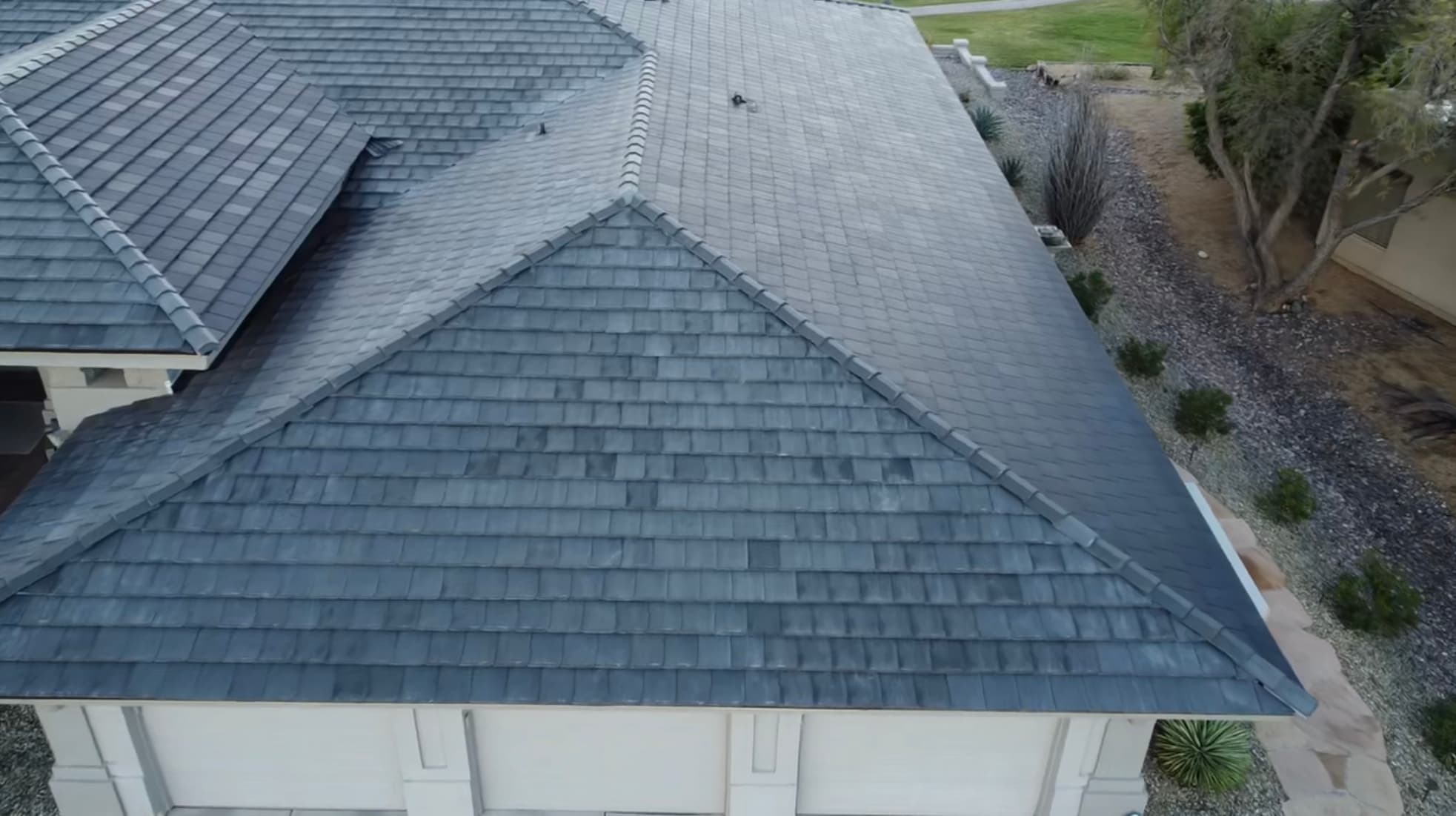
The case for architecturally integrated solar on Long Island is strong along every dimension. The diversity of architectural styles, from the Shingle Style and Georgian estates of the North Shore to the modern and contemporary houses of East Hampton and Water Mill, means that the ability to specify a solar tile to match the existing architectural profile is not a nice to have, it is essential. A product that looks right on a 1920s Oyster Bay estate and equally right on a 2024 East Hampton modernist house does not exist in the conventional solar market. That is the nature of the standard solar industry: it produces one category of visible product and asks the building to accommodate it. Solar roof tiles Long Island NY is what Vitruvion offers instead, a design first approach where the material is specified to the building, not the reverse. Architecturally integrated solar Long Island means matching shadow line, scale, surface texture, and color to what is already on the roofline. BIPV Long Island NY means the photovoltaic function is embedded in the surface material rather than added on top of it. Invisible solar roofing Long Island is the outcome: a roof that generates electricity and reads, from every angle, as simply a very fine roof. Solar roof shingles Long Island that are specified rather than installed, this is the distinction Vitruvion maintains on every project it accepts.
Vitruvion brings architecturally integrated solar building materials to New York through direct manufacturer relationships and a specification process built around projects where architecture is primary and energy performance is the outcome of getting the architecture right. We work alongside architects and designers already engaged on Long Island projects, integrating into existing project relationships rather than displacing them. The architect of record remains the architect of record. Vitruvion's role is to bring the material specification, the technical integration knowledge, and the installation oversight that makes the solar component seamless within the broader project. If a project on the North Shore or the East End is already in design development with a strong team, Vitruvion fits into that team without friction.
Nassau County contains some of the most architecturally significant residential addresses on Long Island, and Vitruvion works across its full range. Old Westbury, Brookville, Lattingtown, and Muttontown represent the estate tier, large properties with substantial roof areas and strong sun exposure that make architecturally integrated solar roof tiles Nassau County not only viable but genuinely valuable as a long term investment in the building. Oyster Bay and Locust Valley combine historical character with the kind of ongoing stewardship investment that makes a permanent, architecturally matched solar surface the right choice. Garden City and Roslyn Harbor bring a different scale but the same standard of design seriousness. Across Nassau County, the properties that are right for Vitruvion are those where the owner has made it clear, through every other decision about the house, that appearances matter and performance is expected.
Suffolk County extends east through a wide arc of communities, each with its own architectural character and each presenting the same fundamental opportunity. Lloyd Harbor, Cold Spring Harbor, Huntington Bay, Belle Terre, Old Field, and St. James along the North Shore carry the same estate scale residential tradition as their Nassau County counterparts, with solar shingles Suffolk County specified to match historic profiles that are worth preserving. The South Shore communities, including Long Beach and the barrier islands, present waterfront rooflines with excellent solar exposure and owners who understand durability in a coastal environment. The East End runs from Southampton through East Hampton, Bridgehampton, Water Mill, Sagaponack, and Amagansett to Montauk, a sequence of communities that together constitute the Hamptons, and that represent the highest concentration of design driven residential architecture in the New York market. BIPV Hamptons projects are among Vitruvion's most active engagements; the clients, the architects, and the properties here align exactly with what Vitruvion was built to serve. Solar roof East Hampton specifically is a conversation Vitruvion has regularly with architects who have been waiting for a product they can specify honestly to clients who will hold them to the highest standard.
Whether your home is on the North Shore, the South Shore, or the East End, Vitruvion works across Long Island for the right projects. A conversation costs nothing and takes very little time; the outcome is a clear understanding of whether integrated solar belongs on your specific roofline and what that process would look like from specification through completion.
Request a Consultation